WattSearch
Your WattLeaderboard
Language
Autoplay narration
Appearance

Feedback

Have a question or an idea? Something not working? Send us a message.

What would you like to share?
Up to 3 files, 5 MB each, 12 MB total.
Or contact us directly

Direct contacts open a separate chat or email. Files attached here are not included.

arohalya@gmail.com
A little wonder, every day

Dogs’ sense of smell is studied for cancer and seizure detection
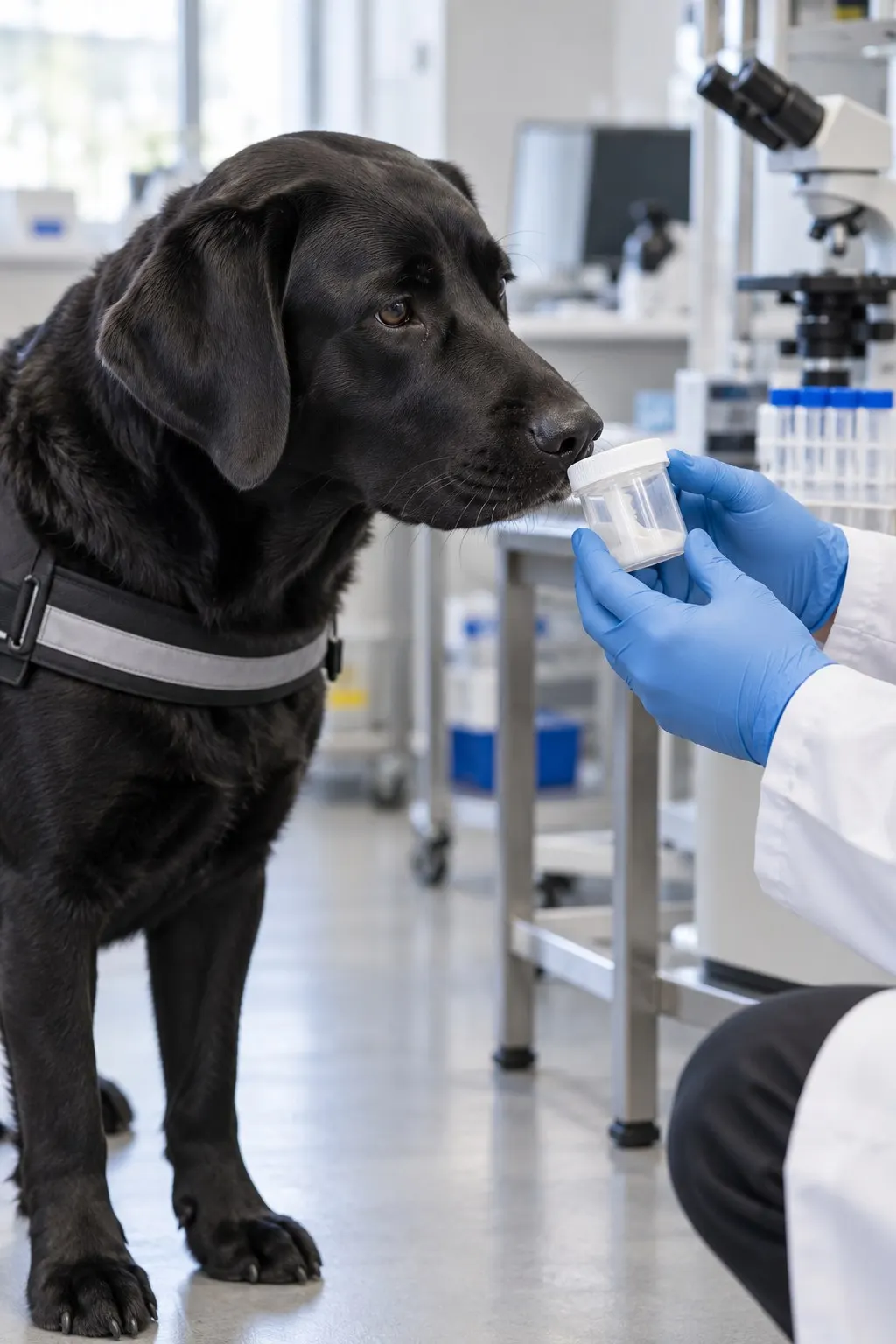
Титульна AI-згенерована ілюстрація / AI-generated cover illustration. Навчений собака обережно нюхає закриту пробірку в дослідницькій лабораторії.
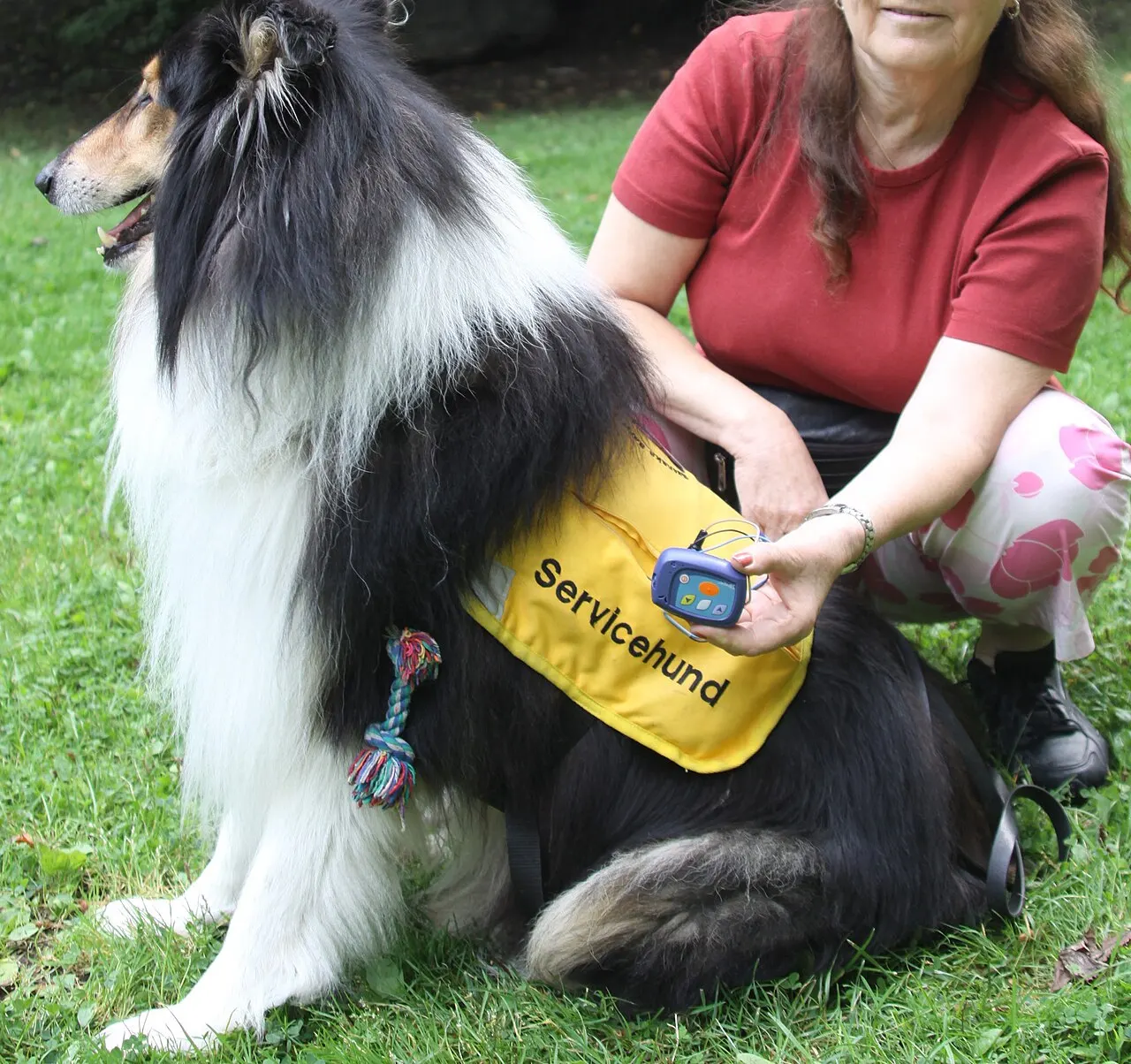
службовий собака з пристроєм сигналізації, під’єднаним до медичної служби; Elisabeth Magnusson Rune; CC BY-SA 3.0 (також GFDL). Original: https://commons.wikimedia.org/wiki/File:Epilepsihund.jpg. Attribution: Elisabeth Magnusson Rune, CC BY-SA 3.0. Фото демонструє допомогу/реагування, а не передбачення нападу.
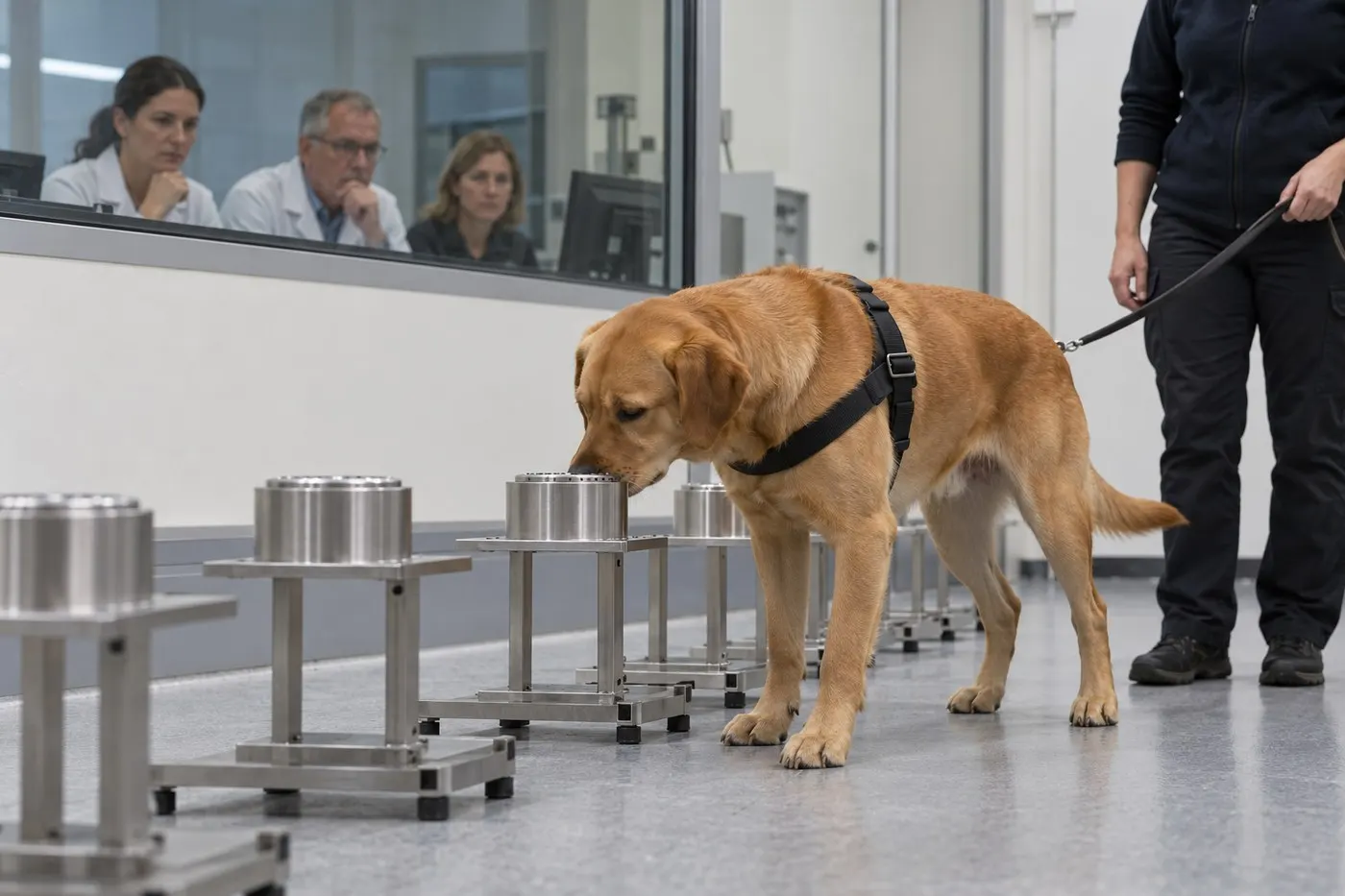
додаткова AI-ілюстрація / supplementary AI illustration. Собака обнюхує одну з кількох однакових закодованих ємностей у контрольованому дослідженні.
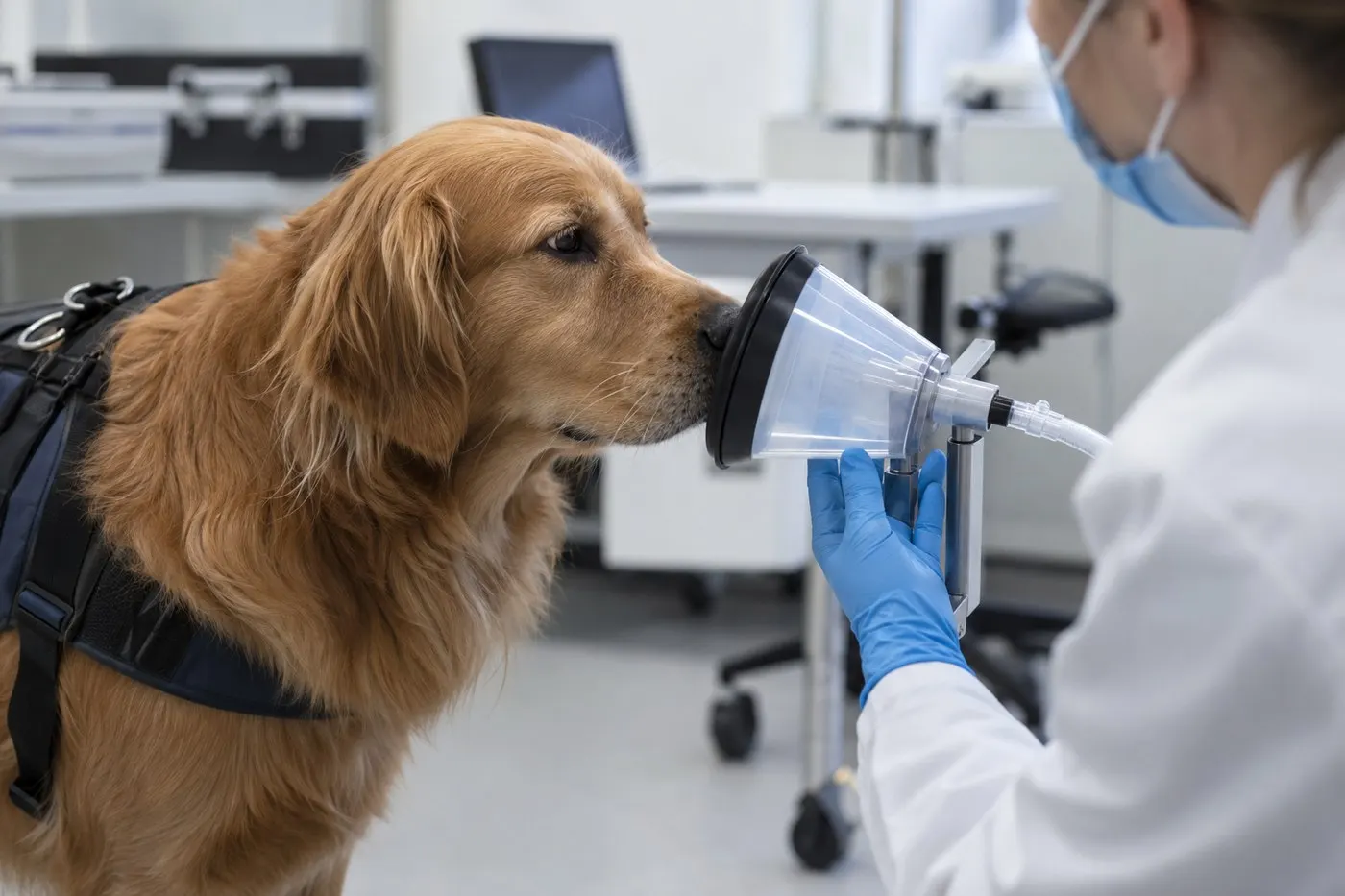
додаткова AI-ілюстрація / supplementary AI illustration. Собака нюхає маску для збору проби видиху в дослідницькому приміщенні.
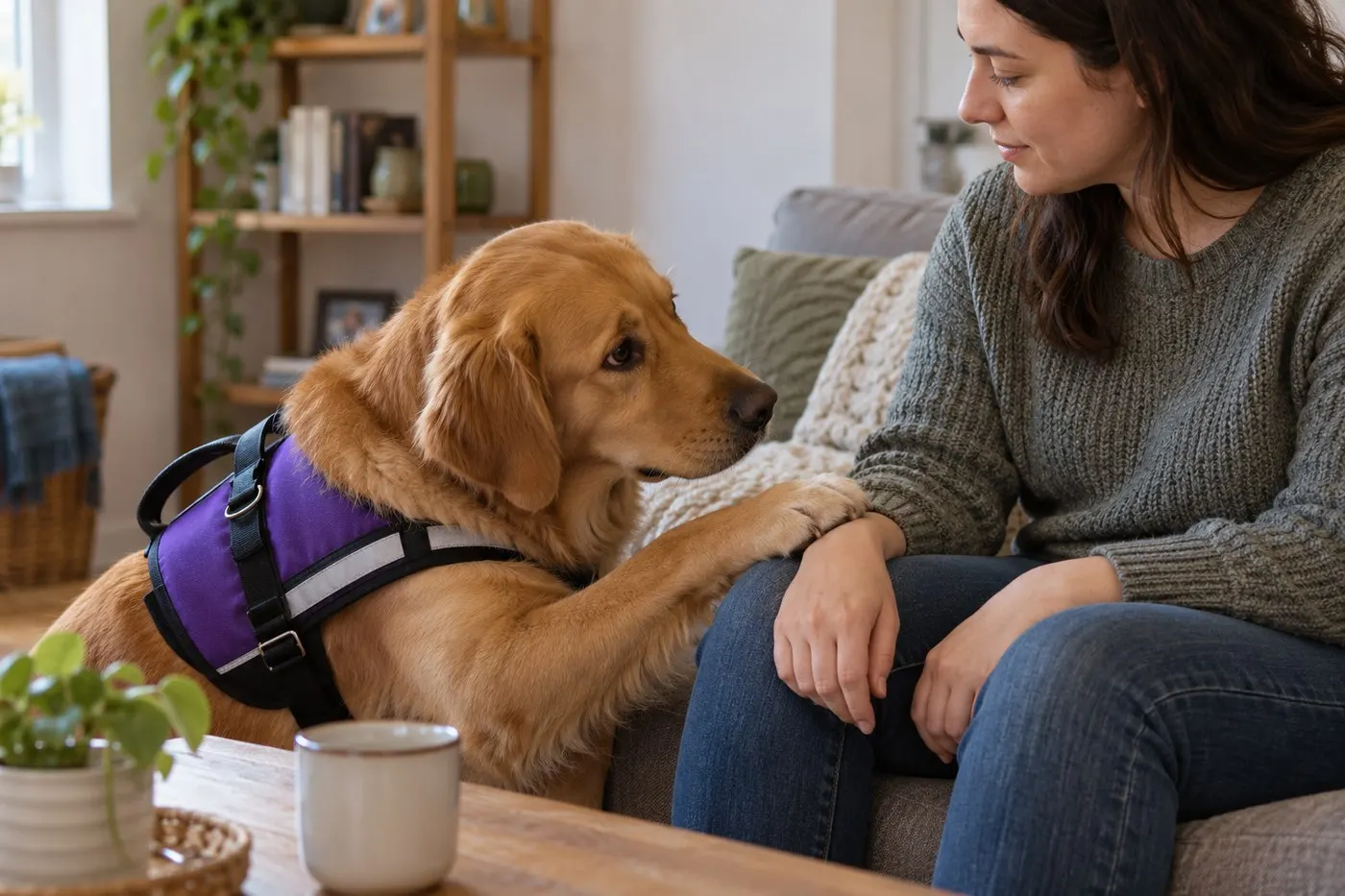
додаткова AI-ілюстрація / supplementary AI illustration. Собака-помічник м’яко привертає увагу людини, яка сидить удома.

Титульна AI-згенерована ілюстрація / AI-generated cover illustration. Навчений собака обережно нюхає закриту пробірку в дослідницькій лабораторії.

Listen to fact0:00 / —

In controlled studies, trained dogs have distinguished by smell samples associated with some cancers. But these results do not yet make dogs a reliable clinical screening method. Some dogs may also warn of an approaching epileptic seizure, but this predictive ability is rare and needs further verification; service dogs are also trained to assist during or after a seizure.