WattSearch
Your WattLeaderboard
Language
Autoplay narration
Appearance

Feedback

Have a question or an idea? Something not working? Send us a message.

What would you like to share?
Up to 3 files, 5 MB each, 12 MB total.
Or contact us directly

Direct contacts open a separate chat or email. Files attached here are not included.

arohalya@gmail.com
A little wonder, every day

Ancient traces of microbial life
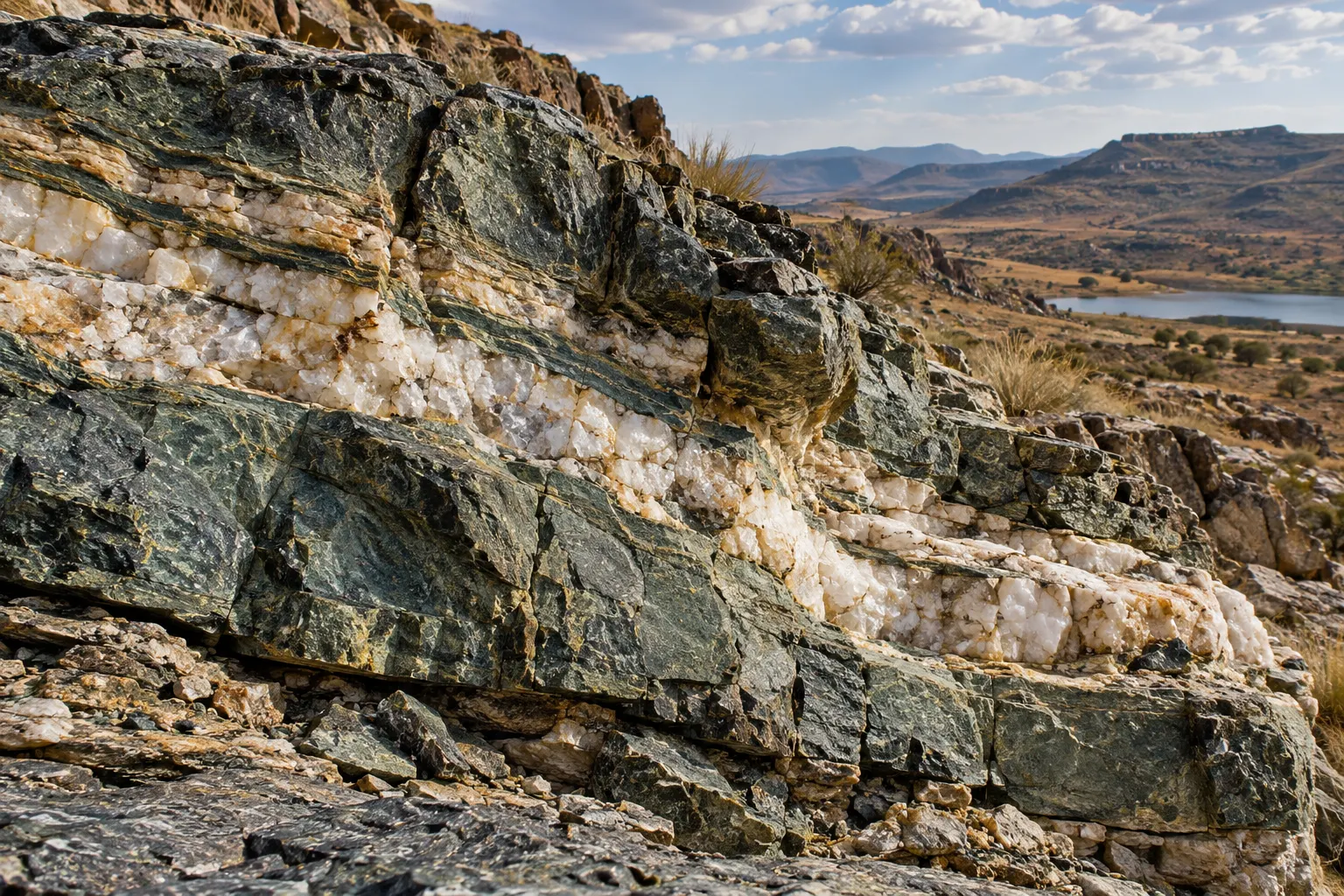
AI-generated generic greenstone and hydrothermal vein outcrop. OpenAI image generation, 2026-10-28. Prompt: Photorealistic editorial geology photograph of ancient dark greenstone rock and layered quartz hydrothermal vein outcrop in a South African landscape, natural daylight, museum science article cover, no people, no text, labels, logos, watermark, or collage; generic geological illustration not an exact field site.
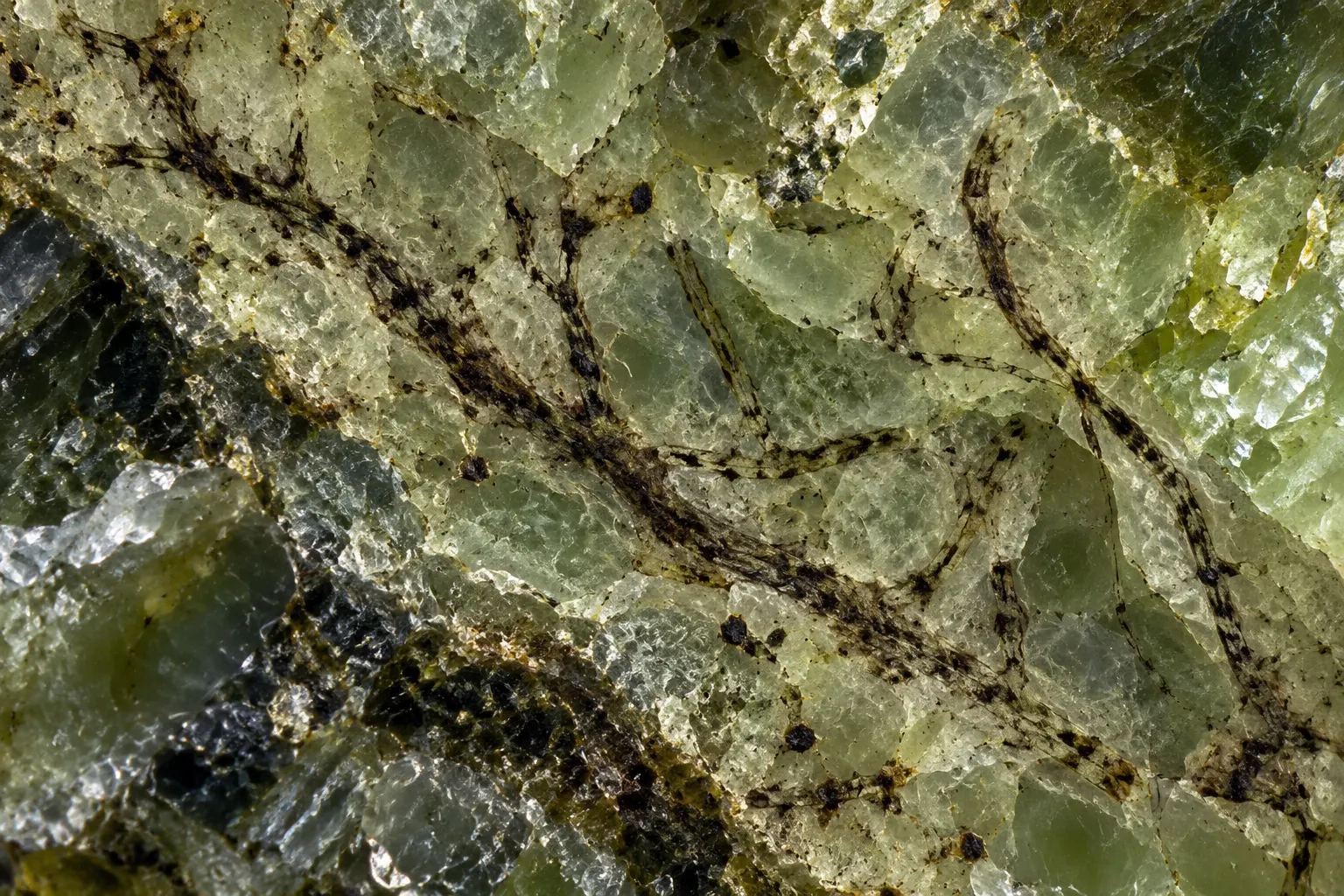
AI-generated mineral texture with filament-like forms. OpenAI image generation, 2026-10-28. Prompt: Scientific editorial microscopy-style illustration of thin filament-shaped possible microfossils embedded in ancient mineral rock, translucent green-gray mineral matrix with a few dark branching filaments, high-detail realistic petrographic texture, dramatic side lighting, no text, scale bar, labels, logos, watermark, or collage; illustrative, not a reproduction of published micrographs or actual data.
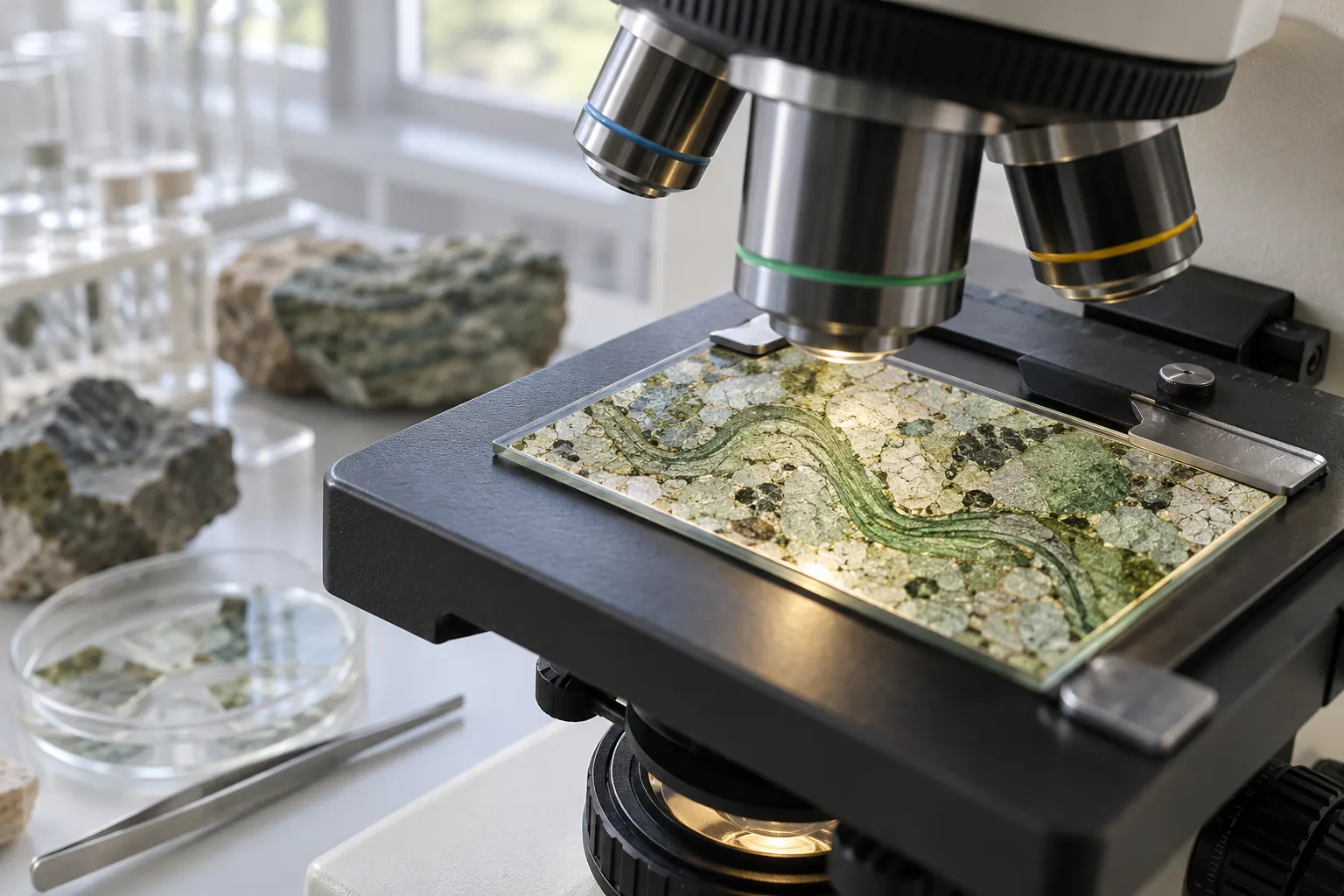
AI-generated laboratory microscope and rock thin section. OpenAI image generation, 2026-10-28. Prompt: Photorealistic editorial science still life of an ancient rock thin section mounted under a modern laboratory microscope, soft green mineral colors and careful clean lab surroundings, pale natural light, illustrating researchers studying ancient microbial traces, no people, no text, labels, readable data, logos, watermark, or collage; generic research illustration, not a real study setup.

AI-generated generic greenstone and hydrothermal vein outcrop. OpenAI image generation, 2026-10-28. Prompt: Photorealistic editorial geology photograph of ancient dark greenstone rock and layered quartz hydrothermal vein outcrop in a South African landscape, natural daylight, museum science article cover, no people, no text, labels, logos, watermark, or collage; generic geological illustration not an exact field site.

Listen to fact0:00 / —

Filament-shaped microstructures found in rocks about 3.42 billion years old have been interpreted by researchers as possible fossil microorganisms. They come from ancient hydrothermal veins in South Africa; the samples’ shape and chemistry were studied using multiple methods. They are among the oldest proposed microfossils, but calling them definitively the oldest cells on Earth would be too strong.